The M97 Project
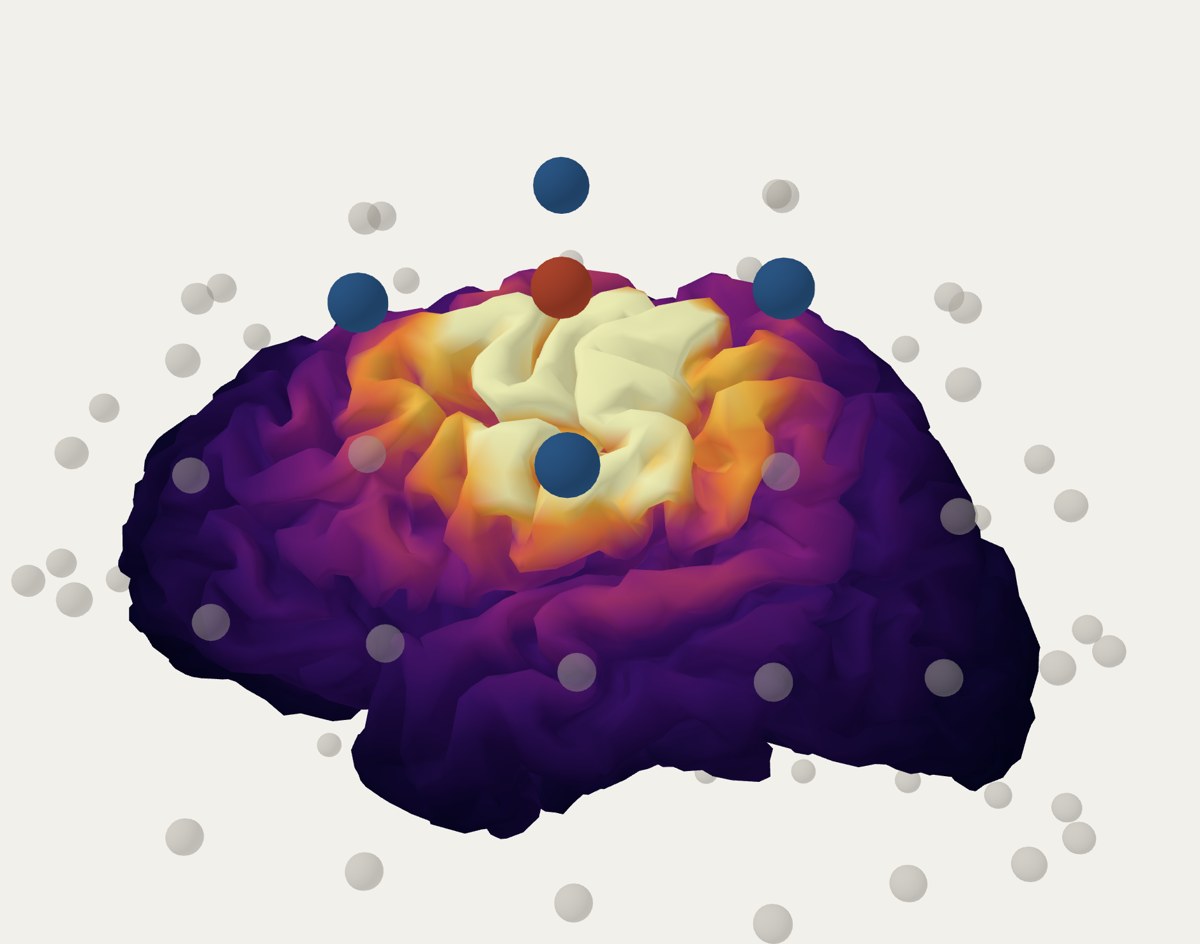
Scientific integration oriented towards advanced cognitive development and the optimization of human intellect.
Scientific integration oriented towards advanced cognitive development and the optimization of human intellect.
The M97 Project is a Haldane Genomics research line documented in a technical report published by Sylar Robert Jones on Zenodo in 2025.
The publication proposes a framework of active neuromodulation: combining non-invasive transcranial electrical stimulation with self-directed cognitive protocols. It describes the development of the M97 device, safety criteria, the study of cognitive and affective processes, and the ethical implications of intervening in memory and emotion.
It presents this work as exploratory research, with preliminary results and explicit limitations that require independent validation, ethical oversight, and rigorous evaluation before any clinical application.
Read the report on Zenodo · View the publication on ResearchGate
It is a scientific research initiative focused on neuromodulation and the modification of specific cognitive processes, including the alteration of the emotional valence of autobiographical memories.
Unlike traditional neuromodulation approaches, M97 addresses transcranial electrical stimulation (tES) in a different way.
Conventional methods treat the individual as a passive recipient. M97 tries to break that barrier.
Nowadays, conventional brain stimulation methods tend to treat the individual as a passive recipient, where only the participation of medical/scientific personnel and the application of the method exist to evaluate results. The M97 Project combines external electrical stimulation with cognitive protocols self-directed by the subject. The main objective is to leverage the user's conscious intention to achieve highly specific and personalized neuronal changes.
Through non-invasive technologies like tDCS (transcranial direct current stimulation) and tACS (transcranial alternating current stimulation), the project aims to regulate cortical rhythms and boost synaptic plasticity in key brain areas.
The tool that comes out of this line is E-Field Lab: the simulator that shows where the current of each montage reaches before it is set up.
We use advanced computational modeling to simulate neuronal response prior to any physical intervention, ensuring optimal safety profiles and complete personalization of the cognitive protocol.
The second published work, the M97-V vector, takes that same criterion into genetics: the design and the theoretical validation are completed before anything goes near a wet lab. M97-V vector on Zenodo.